
-
Waveplates
-
A waveplate is an optical device made of birefringent materials, with its polished surface being a specific plane aligned with the optical axis. The velocities of extraordinary rays and ordinary rays passing through birefringent materials are inversely proportional to their refractive indices. The velocity difference generates a phase difference when the two rays recombine. For any specific wavelength, the phase difference is determined by the thickness of the waveplate.
A waveplate is a flat sheet of anisotropic transparent material cut in a certain way with a specific thickness. The material used varies depending on the size of the light-transmitting area: crystals (such as mica, gypsum, quartz, etc.) are used for small areas, while glass or polymer films drawn into sheets are used for large areas. Common crystal materials for conventional waveplates include quartz crystal and magnesium fluoride.
The "specific plane aligned with the optical axis" refers to the relationship between the crystal's principal axes (or optical axis) and the light-transmitting surface. The processed surface of the waveplate is designed such that the two principal axes of the crystal (with unequal refractive indices) are parallel to the light-transmitting surface of the waveplate. For uniaxial crystals, the waveplate surface is parallel to the optical axis (x3 axis); for biaxial crystals, the waveplate surface can be parallel to any principal axis plane.
A plane wave incident vertically enters the waveplate without changing direction but decomposes into two polarized components. Their D vectors are parallel to the two principal axes respectively, with refractive indices n' and n''. A waveplate of thickness h has different optical thicknesses nh and n''h for these two polarized components. Therefore, they have an optical path difference (n' - n'')h when transmitting through the waveplate, resulting in a phase difference: Here, λ is the wavelength of light in a vacuum. This phase difference is usually called the phase retardation of the waveplate. Obviously, if the incident light is polarized light, its polarization state will change after passing through the waveplate because an additional phase difference δ is added to its two perpendicular components.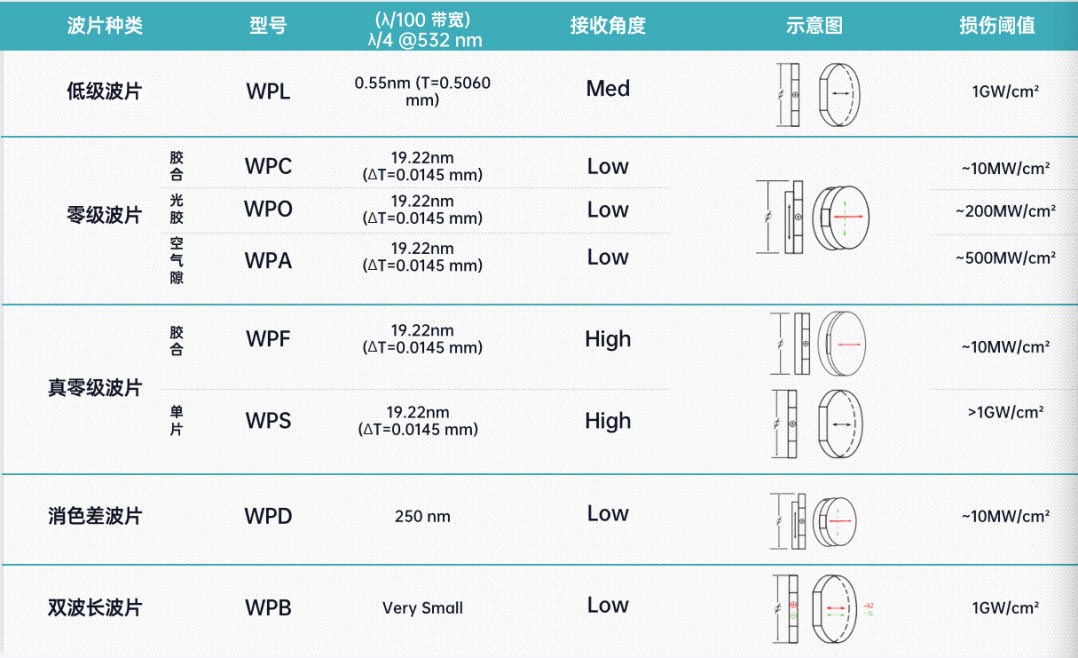
-
low-order waveplate
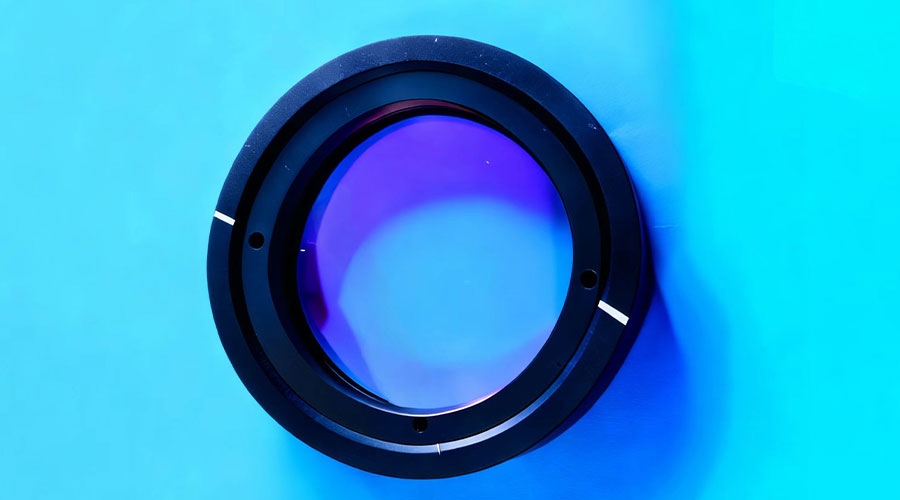
A low-order waveplate is fabricated from a single piece of quartz crystal, producing phase retardation of several orders for the designed wavelength. It is a physically robust single component with de..
-

Zero-Order Waveplate
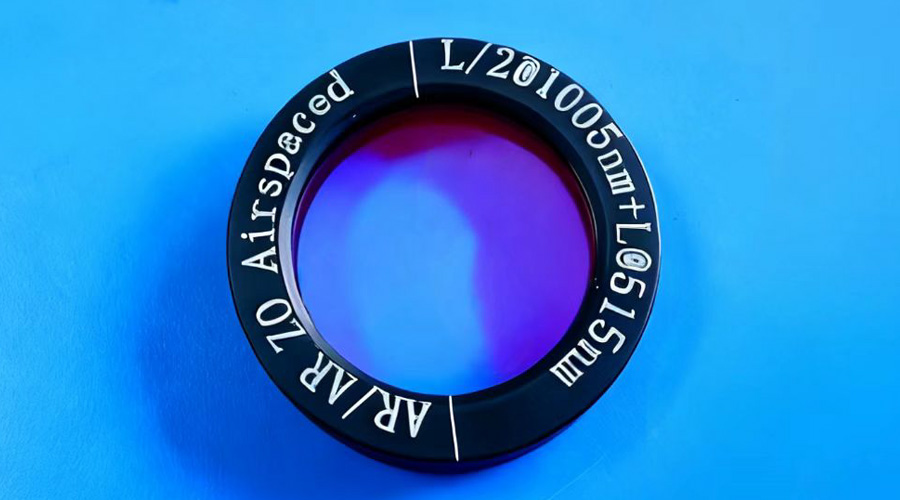
An air-spaced zero-order waveplate consists of two quartz plates mounted in a holder to form an air gap, with their optical axes orthogonal to each other. The thickness difference between the two quar..
-
True Zero-Order Waveplate
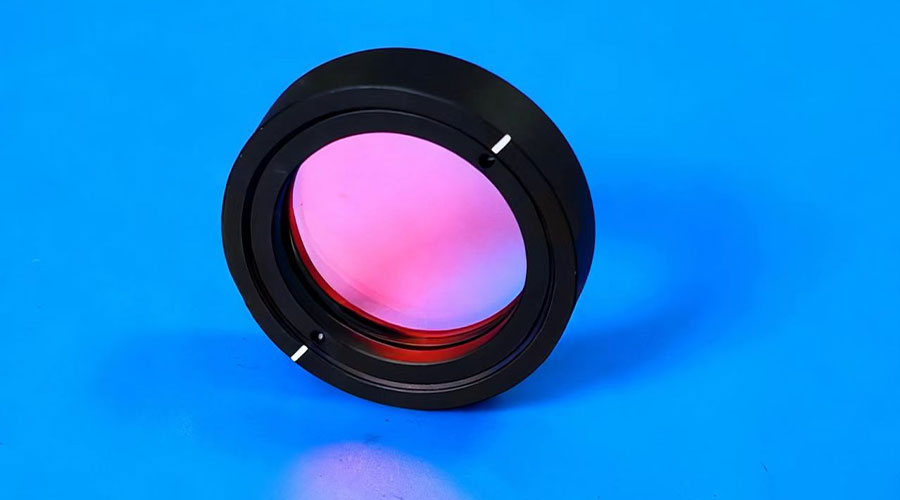
A cemented true zero-order waveplate is formed by bonding a single-piece quartz crystal true zero-order waveplate with an H-K9L/JGS1 substrate. The quartz crystal features an extremely thin true zero-..
-
Achromatic Waveplate
An achromatic waveplate is composed of two birefringent crystals of different materials. Due to the distinct dispersive properties of the two materials, it can achieve relatively uniform phase retarda..
-
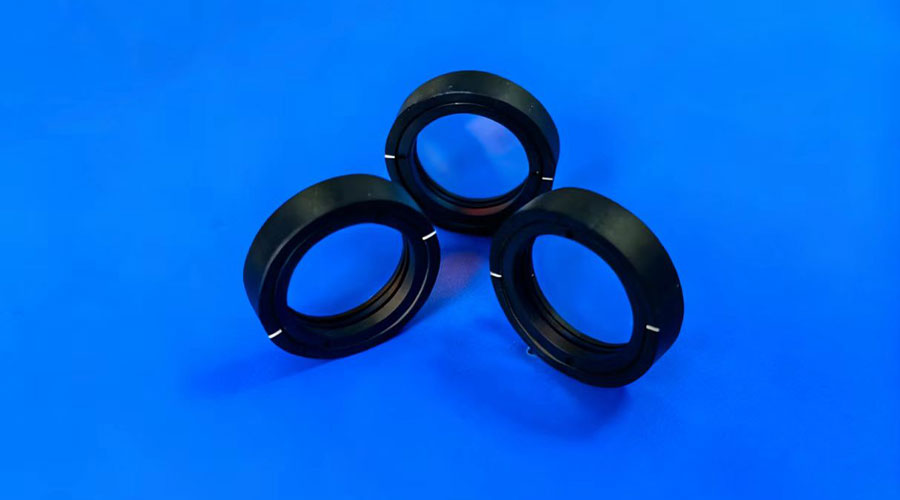
Dual-Wavelength Waveplate
A dual-wavelength waveplate is a special type of multi-order waveplate that can achieve the required phase retardation at two wavelengths simultaneously. It is widely used in solid-state frequency-dou..
-