
-
Spherical Mirrors
-
Processing capability and applications of spherical lenses: Lenses for IR, visible, and UV bands. Product diameter processing range: Φ1–Φ300mm.
Main Materials:
- Quartz materials: 7980, JGS1, Heraeus quartz, etc.
- IR and UV materials.
- Conventional optical materials.
Five types of spherical lenses to determine imaging characteristics are available: plano-convex, plano-concave, bi-convex, bi-concave, and meniscus lenses.
-
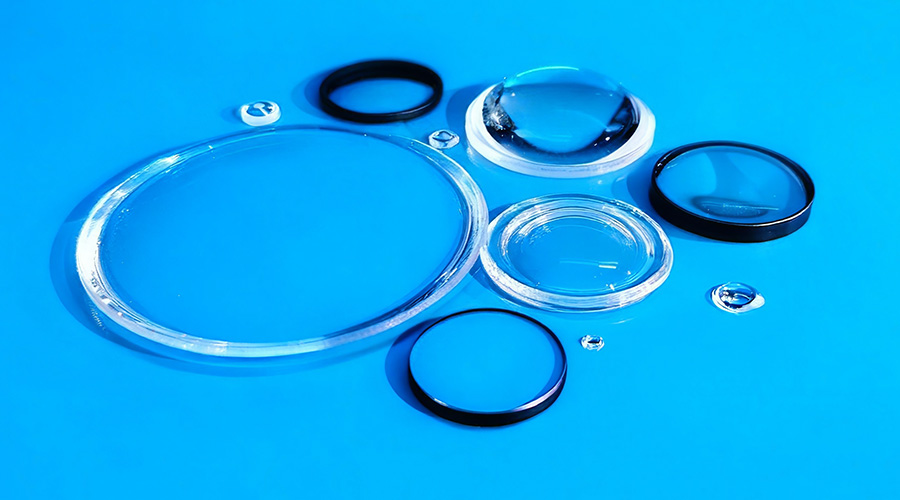
Plano-Convex Lenses
Plano-convex lenses have two surfaces with different curvatures. They are usually made of transparent materials such as optical glass, with a refractive index higher than that of the surrounding air. ..
-
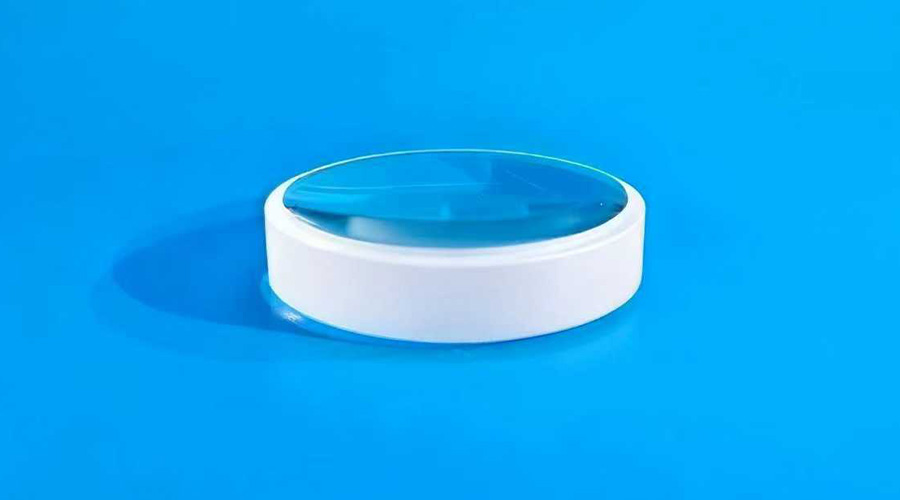
Plano-Concave lenses
Plano-Concave lenses have negative focal length, used for image restoration or light propagation. They have weaker divergence than bi-concave lenses, providing more uniform light distribution and spre..
-

Bi-Convex lenses
Bi-Convex lenses feature a longer focal length at the center of the lens surfaces and a shorter focal length at the edges. Bi-Convex lenses are mainly used to converge light from point sources or tran..
-

Bi-Concave lenses
Bi-Concave lenses have negative focal length and are diverging lenses. The optical performance of bi-concave lenses is closely related to the refractive index of the material. Different curvature radi..
-

Meniscus lenses
Meniscus lenses have either positive or negative focal length and can form real or virtual images of objects. They are used to focus or diverge light beams. Factors such as curvature, focal length and..
-
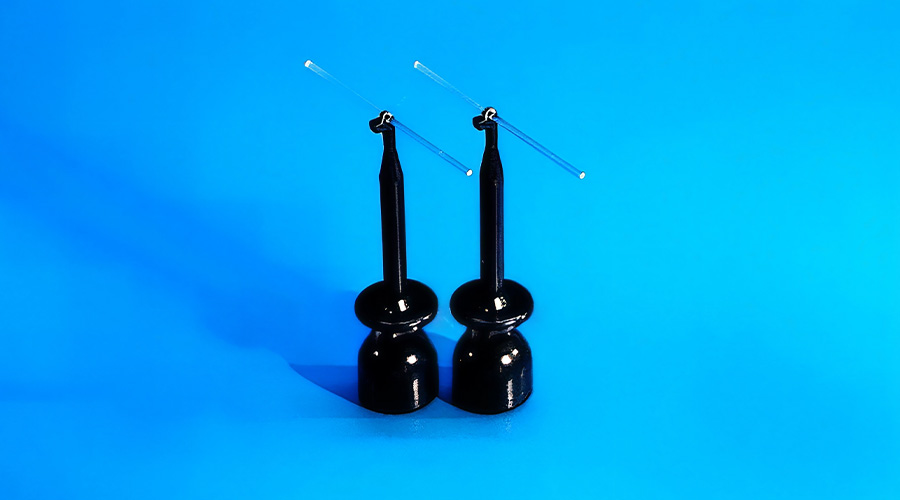
Microlenses and rod lenses
Microlenses and rod lenses are both optical components. A microlens is a type of lens, usually referring to a small-sized optical element that converges or diverges light. A rod lens generally refers ..