

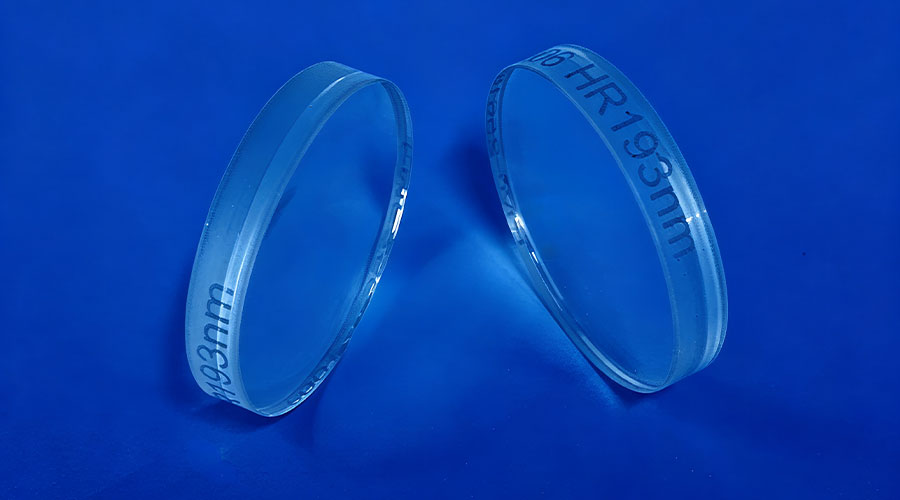
193nm HR lenses

Specifications

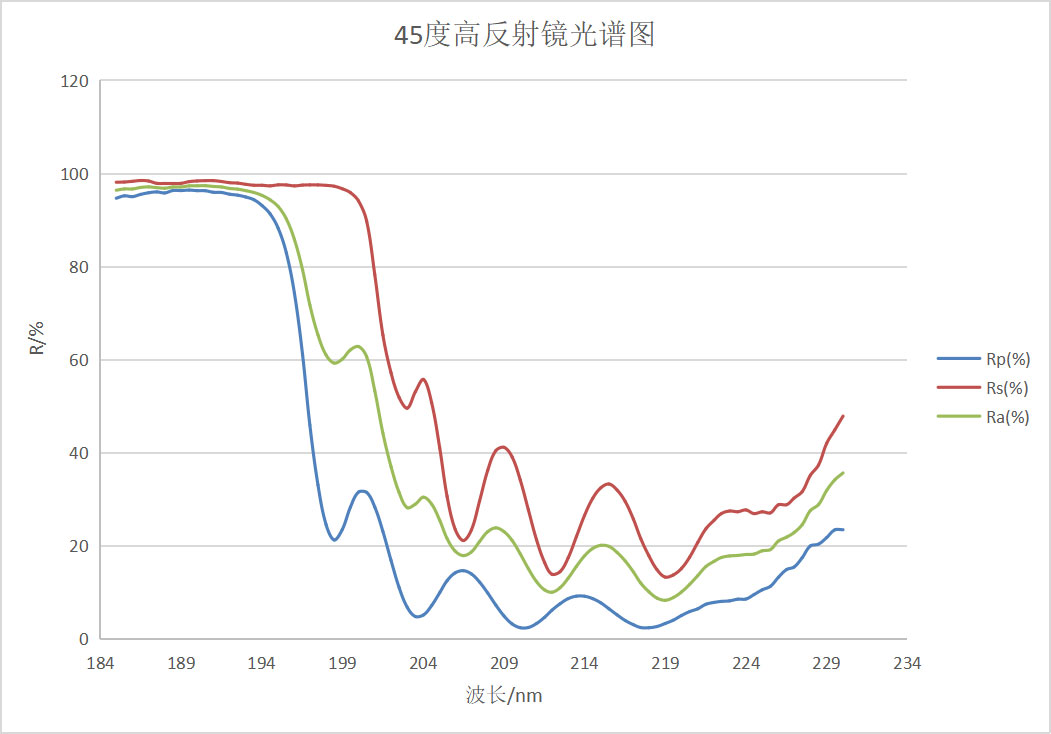
193nm HR lenses are deep ultraviolet (DUV) high-energy, high-reflectance optical components. Their core function is to achieve ultra-high reflectance and extremely high laser damage threshold at the 193nm (ArF excimer laser) wavelength through multilayer dielectric thin-film systems, serving as critical optical path components in semiconductor lithography, medical laser, and precision measurement systems. They address the issues of energy loss and high-energy radiation damage on lens surfaces caused by 193nm deep ultraviolet light, ensuring system optical energy utilization and long-term stable operation. Unlike visible-light high-reflectance mirrors, these must simultaneously achieve high DUV reflectance, low absorption/low scattering, and high radiation resistance, imposing extremely stringent requirements on both coatings and materials.
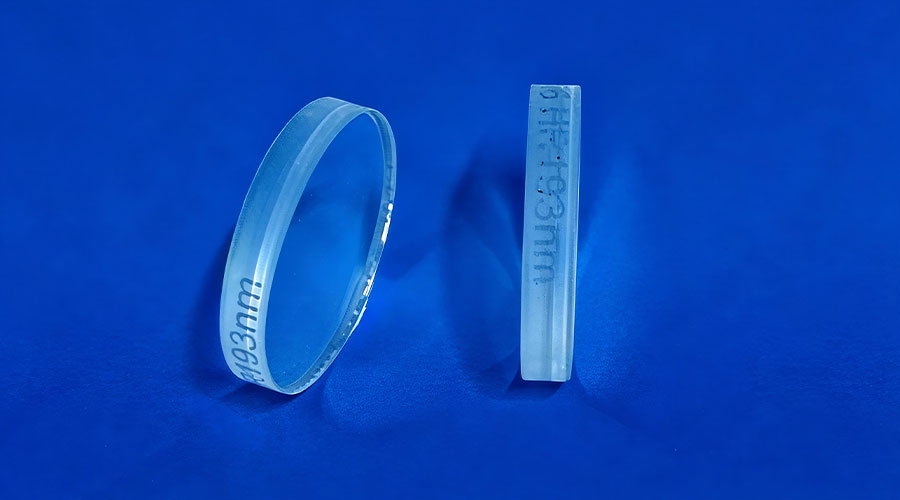
Substrate Material: CaF₂ (calcium fluoride) LD-Grade A is the preferred choice for high DUV transmission; fused silica (FS) is selected for general-purpose or low birefringence requirements.
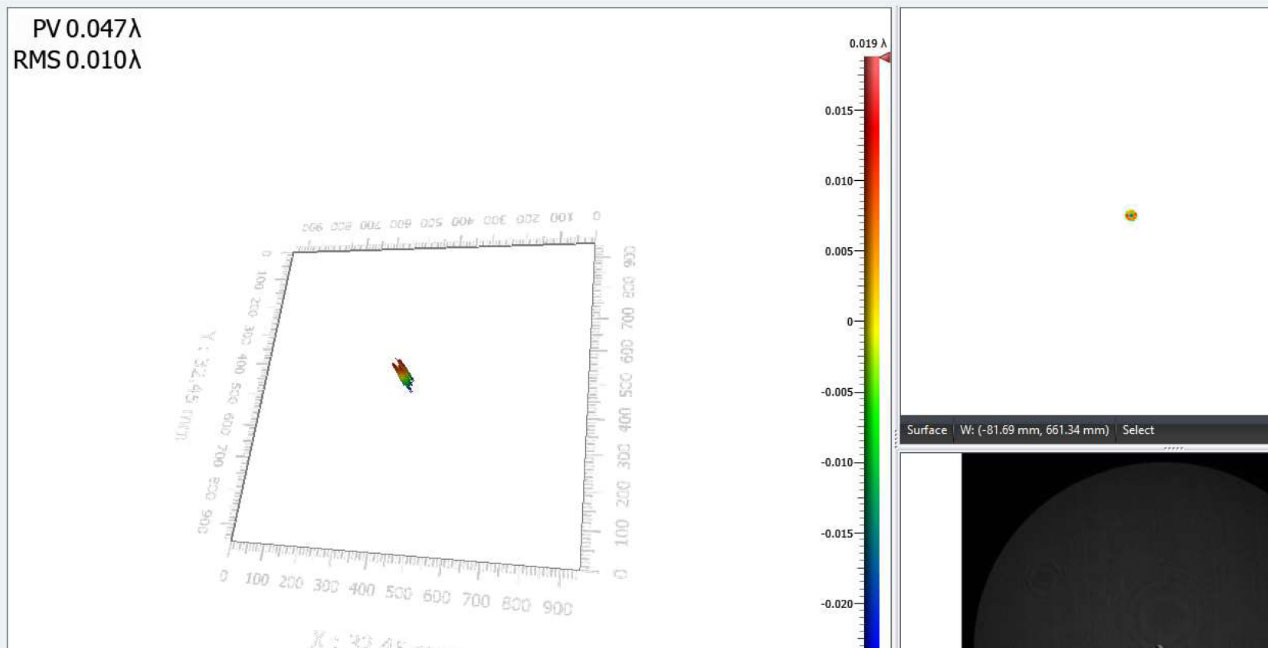
Surface Form and Quality: Surface form better than λ/10, surface quality 10-5 scratch-dig, ensuring wavefront quality.

Cooperation Inquiry

*
*
*
*
*
*

193nm HR lenses are deep ultraviolet (DUV) high-energy, high-reflectance optical components. Their core function is to achieve ultra-high reflectance and extremely high laser damage threshold at the 193nm (ArF excimer laser) wavelength through multilayer dielectric thin-film systems, serving as critical optical path components in semiconductor lithography, medical laser, and precision measurement systems. They address the issues of energy loss and high-energy radiation damage on lens surfaces caused by 193nm deep ultraviolet light, ensuring system optical energy utilization and long-term stable operation. Unlike visible-light high-reflectance mirrors, these must simultaneously achieve high DUV reflectance, low absorption/low scattering, and high radiation resistance, imposing extremely stringent requirements on both coatings and materials.

Substrate Material: CaF₂ (calcium fluoride) LD-Grade A is the preferred choice for high DUV transmission; fused silica (FS) is selected for general-purpose or low birefringence requirements.
Surface Form and Quality: Surface form better than λ/10, surface quality 10-5 scratch-dig, ensuring wavefront quality.