

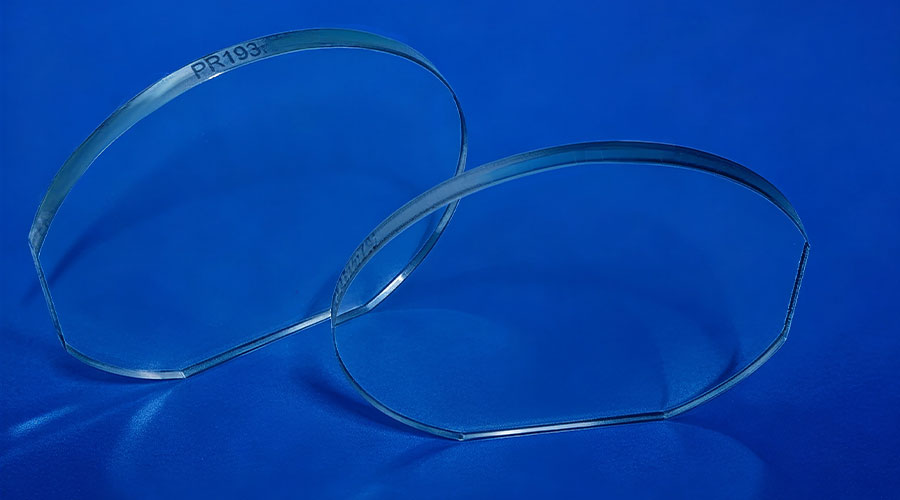
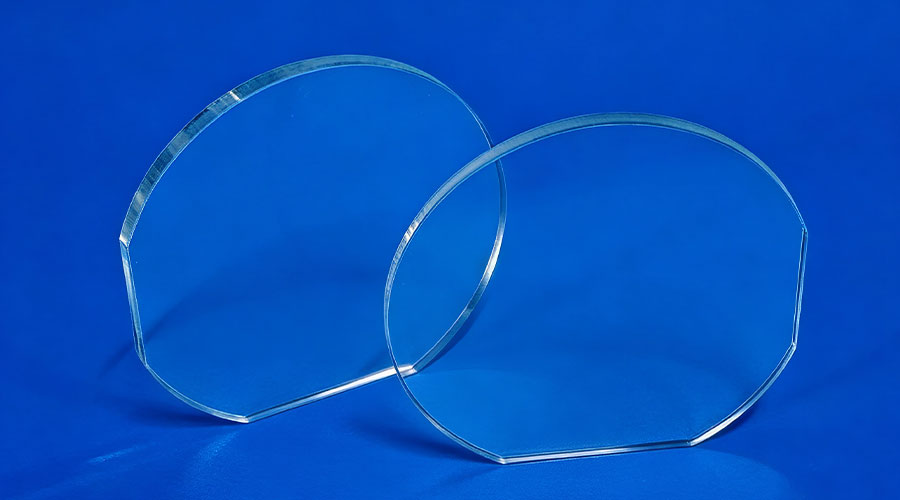
193nm PR lenses

Specifications

193nm PR (Polarization Rotator) lenses are deep ultraviolet (DUV) polarization state control components. Their core function is to precisely rotate the polarization direction at the 193nm (ArF excimer laser) wavelength, serving as key components for polarization optimization and optical path isolation in semiconductor lithography, laser medical, and precision measurement systems. They address the issues of deep ultraviolet polarization state mismatch and reflected light interference, ensuring system polarization purity, imaging quality, and light source stability. Unlike visible-light PRs, these must simultaneously achieve high laser damage threshold, low absorption, wide angular tolerance, and polarization rotation accuracy, imposing stringent requirements on both materials and manufacturing processes.
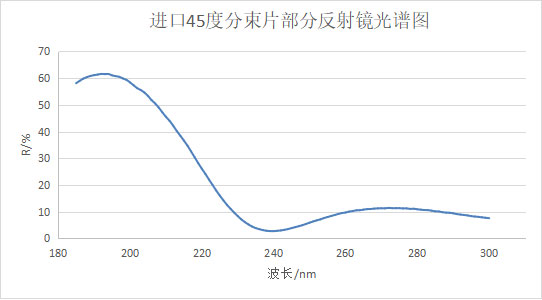
Substrate Material: CaF₂ (calcium fluoride) LD-Grade A (low birefringence, high transmission) is the preferred choice; fused silica is the secondary option.
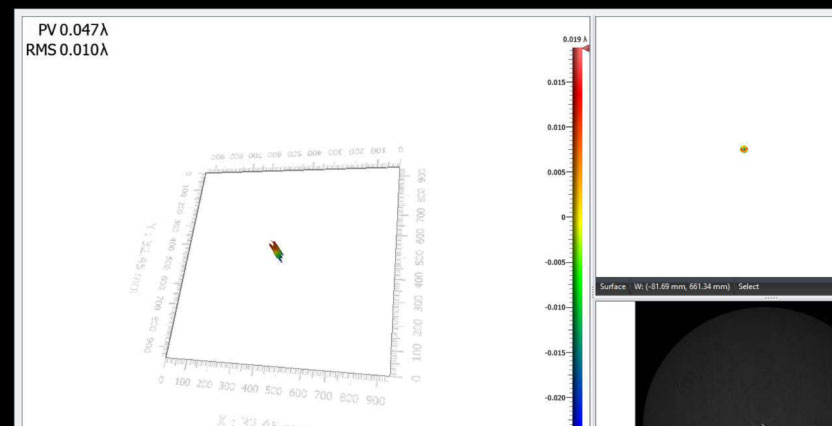
Surface Form and Quality: Surface form better than λ/10, surface quality 10-5 scratch-dig, ensuring wavefront quality.

Cooperation Inquiry

*
*
*
*
*
*

193nm PR (Polarization Rotator) lenses are deep ultraviolet (DUV) polarization state control components. Their core function is to precisely rotate the polarization direction at the 193nm (ArF excimer laser) wavelength, serving as key components for polarization optimization and optical path isolation in semiconductor lithography, laser medical, and precision measurement systems. They address the issues of deep ultraviolet polarization state mismatch and reflected light interference, ensuring system polarization purity, imaging quality, and light source stability. Unlike visible-light PRs, these must simultaneously achieve high laser damage threshold, low absorption, wide angular tolerance, and polarization rotation accuracy, imposing stringent requirements on both materials and manufacturing processes.

Substrate Material: CaF₂ (calcium fluoride) LD-Grade A (low birefringence, high transmission) is the preferred choice; fused silica is the secondary option.
Surface Form and Quality: Surface form better than λ/10, surface quality 10-5 scratch-dig, ensuring wavefront quality.